Hire a Bed Bug Exterminator for Prevention
How Heat Treatment Removes Bed Bugs: Essential Equipment and Inspection Strategies
Heat treatment stands out as a reliable method for eradicating bed bugs. By raising temperatures beyond 120°F, it addresses all life stages, including eggs. Critical equipment, such as thermal imaging cameras and fans, serves a key function in delivering effective results. However, thorough inspections are necessary to identify infestations and frequent hiding spots. Understanding these elements is fundamental to a productive treatment. What specific strategies can enhance the effectiveness of this approach?
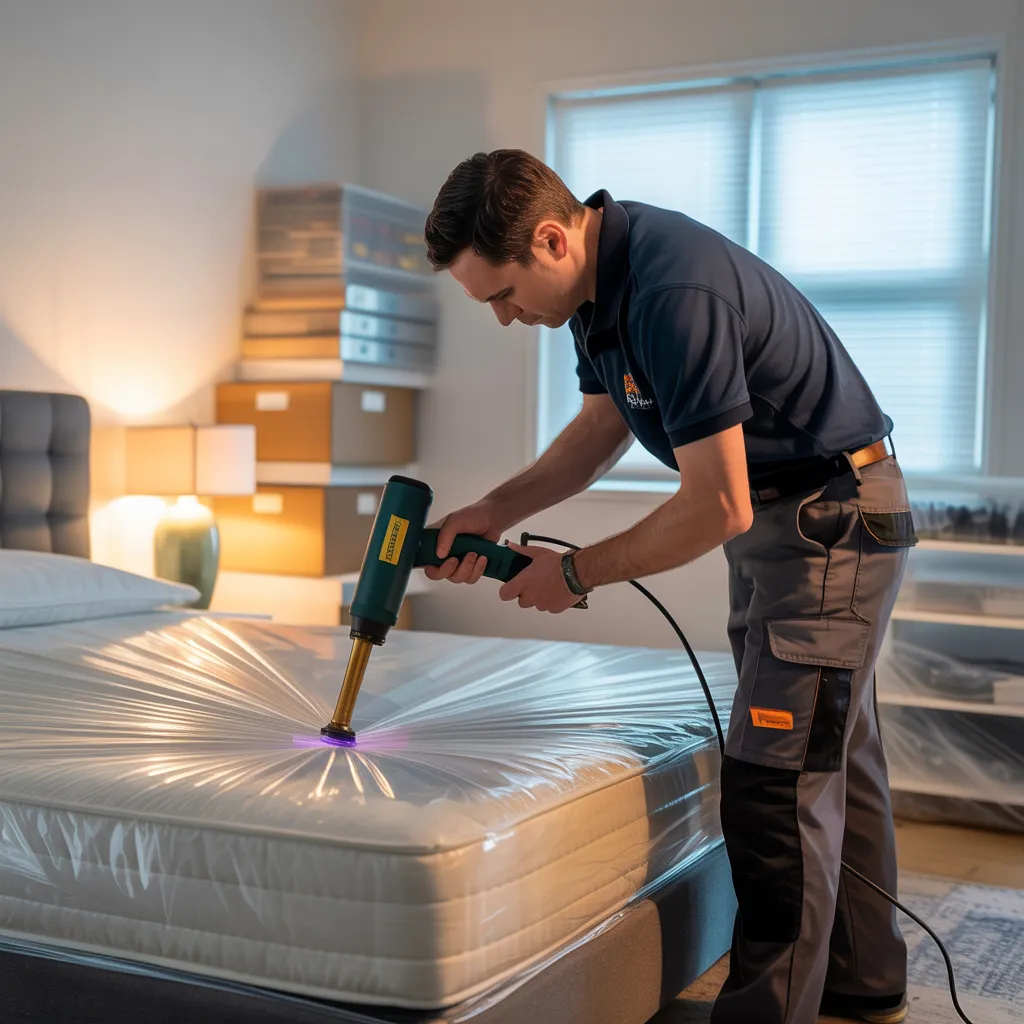
Why Heat Treatment Is Your Best Bet Against Bed Bugs
Heat treatment has become one of the most reliable approaches for eliminating bed bugs. This method employs extreme heat, typically between 120°F and 140°F, to eliminate all developmental stages of these bugs, including eggs. In contrast to chemical treatments, which may require multiple applications and can leave behind residues, heat treatment penetrates into cracks, crevices, and furniture, guaranteeing comprehensive coverage.
Additionally, this approach is green, as it eliminates the use of toxic pesticides, making it a more secure choice for households and businesses alike. The efficiency of heat treatment is remarkable; evidence suggests that it can destroy bed bugs within just minutes of contact with fatal temperature thresholds. Furthermore, heat treatment typically needs less time than older techniques, facilitating quicker resolution of infestations. With these factors in mind, heat treatment remains a effective solution for anyone facing bed bug infestations.
Essential Elements for Successful Heat Treatment
Successful heat treatment for bed bug eradication requires careful preparation and the right equipment. Key equipment includes high-capacity heaters that can achieve temperatures exceeding 120°F, which is critical for eliminating bed bugs across all life stages. Thermal imaging devices can assist in locating thermal discrepancies, confirming that every area is properly heated. Furthermore, fans are required to efficiently circulate hot air, facilitating consistent temperature distribution across the treated area.
Safety equipment, like masks and gloves, is essential for safety during the treatment process. Accurate temperature monitoring devices, like thermocouples, allow for precise tracking of temperature levels in various locations. A consistent energy source is critical, as heat treatment may require prolonged operation times. Finally, adequate insulation of affected areas works to maintain elevated temperatures for extended periods, boosting treatment success. When properly prepared and equipped, the chances of effective bed bug elimination are greatly enhanced.
Discovering Bed Bug Hiding Spots Throughout Your Home
Where might bed bugs be concealed in a home? These parasites are infamous for their skill at secreting themselves in a range of spots. Typical hiding places include the seams and creases of mattresses and box springs, where they are able to feed related information on resting residents. Bed frames and headboards also serve as ideal shelters, often harboring eggs and nymphs in crevices.
Beyond bedding, bed bugs may inhabit furniture, particularly upholstered items such as sofas and chairs. They can also squeeze into crevices within walls, baseboards, or flooring. Cluttered areas, including dressers and storage areas, create ideal conditions for these bugs to multiply.
Routine checks of these areas can assist in detecting infestations at an early stage. Residents should remain alert, carefully inspecting any areas of concern and using a flashlight to enhance their view. Understanding where bed bugs typically hide is essential for effective management.
Executing Heat Treatment: Step-by-Step Guide
An organized heat treatment method can efficiently remove bed bugs from contaminated spaces. The process begins with a thorough inspection to identify the extent of the infestation and the specific areas requiring treatment. Next, all items in the affected area should be removed or covered to prevent heat loss. The room temperature must be raised to a minimum of 120°F (49°C) using specialized heaters, ensuring even distribution of heat throughout the space.
Monitoring equipment should be installed to track thermal readings, as uniformity in temperature is vital for optimal results. When the required temperature is attained and sustained for no less than 90 minutes, the process may be regarded as effective. Afterward, the space should be cooled down gradually, and a follow-up copyrightination performed to verify the eradication of bed bugs. Lastly, all leftover belongings should be addressed or removed to avoid future infestations, guaranteeing a comprehensive method of eliminating bed bugs.
Effective Tips to Maintain a Bed Bug-Free Space
Sustaining a bed bug-free home calls for proactive strategies and ongoing vigilance. Consistent copyrightinations of rest areas, including mattresses, box springs, and furnishings, are vital for spotting the first signs of a bed bug presence. Storing personal items away from the floor and applying protective covers to mattresses can significantly lower the chances of an infestation.
Clearing out spaces reduces hiding spots for these pests, while regularly washing bedding and clothing in hot water works to destroy any potential eggs or bugs. Vacuuming on a consistent basis is critical, making sure the vacuum bag is discarded right away to stop the spread of reinfestation.
Visitors must copyrightine hotel rooms and keep luggage elevated off floors. Additionally, training all family members about spotting bed bugs and their warning signs enhances overall awareness and quick response. By following these practices consistently, one can effectively maintain a bed bug-free space and minimize the chances of an infestation occurring.
Questions We Often Receive
How Long Does It Take for Heat Treatment to Eradicate Bed Bugs?
Heat treatment generally requires between six to eight hours to successfully eradicate bed bugs. The time required may vary based on the extent of the infested space and the machinery employed throughout the treatment procedure.
Are There Potential Side Effects of Heat Treatment on Personal Belongings?
Heat-based pest control can potentially damage fragile objects, including plastics, artwork, and electronics, due to elevated heat levels. Nevertheless, most belongings, notably fabrics and hard materials, usually survive the procedure without notable harm or permanent effects.
Can I Handle Heat Treatment Myself or Should I Hire a Professional?
People have the option to perform heat treatment themselves or enlist a professional. At-home approaches may fall short of precision, while experts ensure thoroughness and safety. Considering the risks and outcomes helps determine the most effective method for eradicating bed bugs.
What Temperature Is Necessary to Kill Bed Bugs Effectively?
To effectively kill bed bugs, heat levels need to reach no less than 118°F (48°C) over an extended duration. Higher temperatures, approximately 130°F (54°C), can provide quicker results, guaranteeing the total elimination of all life cycle stages.
How Many Times Should I Repeat Heat Treatment for the Best Outcome?
Scheduling repeated heat treatments every two to four weeks is advisable for best results. This routine helps ensure any recently hatched bed bugs are destroyed, avoiding re-infestation and achieving complete pest elimination.